June, 2026
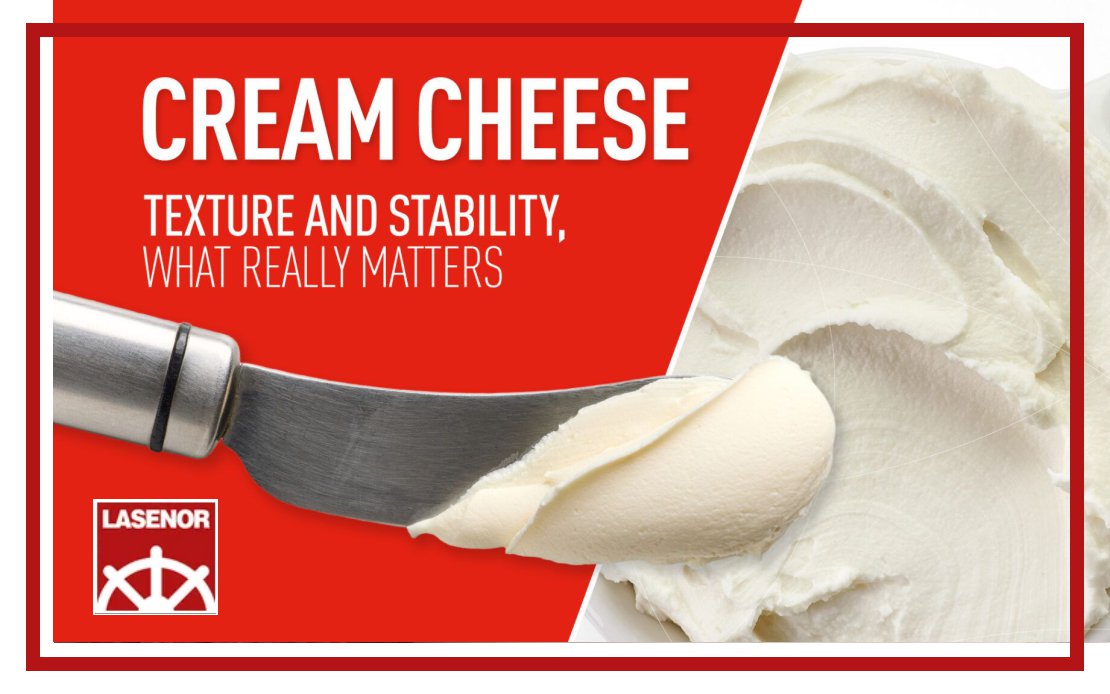
Spreadable cream cheese might seem simple at first, but from a formulation perspective, it is much more diverse than it appears. Depending on the final product format, manufacturers may need to achieve very different goals in terms of viscosity, texture, packaging behavior, and stability.
A cream cheese spread in a cup does not behave in the same way as a softer, spoonable product in a jar. Nor does either of them perform like a triangle portion wrapped in aluminium foil. Although all three belong to the same broad category, each format has its own processing needs and functional requirements.

To better understand these differences, we spoke with Martin Soukop, Technical Director at Swissgum. Trained in dairy technology and with over 30 years of experience in developing stabilizing systems, he offers extensive expertise in cream cheese and processed cheese applications.
“Spreadable cream cheese is not a single category. Each format has its own texture target, processing behaviour and stability requirements.”— Martin Soukop, Our Technical Director at Swissgum
How can spreadable cream cheese be divided from a technical point of view?
Spreadable cream cheese can be broadly divided into three main categories: cream cheese in cups, more fluid honey-like spreads packed in glasses or jars, and spreadable cream cheese in triangles.
While these formats may seem similar from a consumer perspective, they are very different products when it comes to formulation. Each one behaves differently during processing, filling, and packaging, which is why each requires a specific stabilizing approach.
What are the main requirements for cream cheese in cups?
For cream cheese in cups, the target is usually medium to high viscosity, combined with good water-binding capacity and effective protein protection during processing, especially when the recipe includes fresh cheese or quark.
Appearance also plays an important role. A shiny surface is often desirable, which is why a stabilising system that includes an emulsifier can be beneficial. At the same time, the product should be slightly gelled to prevent it from sticking to the cup.
For this kind of application, Swissgum recommends the system SWISSGUM D-3363-B.
What defines a honey-like cheese spread?
This category is more fluid cheese spreads with a honey-like texture, typically packed in jars or glasses. These products require low to medium viscosity, but still need excellent water-binding capacity to ensure stability.
If the formulation uses fresh cheese or quark, protein protection is still important here. Additionally, preventing fat separation on the surface is crucial, as it can quickly impact the product’s appearance.
Even in softer spreads, stickiness must be controlled, which is why these systems often include some gelling agents to improve handling and reduce tackiness.
Why is packaging especially challenging for triangle portions?
What makes triangle portions particularly challenging is the packaging process itself. These products are often wrapped at temperatures above 60°C, which means the cheese must stay viscous enough under hot conditions.
If it becomes too fluid during filling or wrapping, the packaging process becomes more difficult and final product quality may be compromised.
For this application, one of the stabilizers recommended by Swissgum is SWISSGUM D-3107.
What is the key formulation takeaway across all three formats?
The key takeaway is that the formulation target is never just “spreadability.” Each format requires its own balance of viscosity, water-binding, protein protection, anti-sticking behaviour, process tolerance and sensory performance.
A cup product needs body, shine, and clean release from the packaging. A honey-like spread needs to be flowable without phase separation. A triangle product must remain stable during hot packaging while still delivering a creamy mouthfeel afterward.
What should manufacturers consider first when developing a new cream cheese product?
The starting point should always be the final product format and the actual processing conditions. Target texture, packaging type, filling temperature, recipe base, and market conditions all influence which functional properties will be most important.
In other words, spreadable cream cheese is not just a single product, but a category of products with very different technical requirements. Recognizing these differencis crucial for creating products that have the right texture, easy processability, reliable stability, and the desired eating experience.
Every spreadable cream cheese format comes with its own technical challenges, and finding the right stabilising solution requires both expertise and practical application knowledge.
At Lasenor, we support our customers throughout the development process by combining technical know-how, pilot plant capabilities and hands-on application experience. This allows us to evaluate formulations under realistic conditions and help optimise texture, stability, processing behaviour and final product performance.
Our aim is to work side by side with manufacturers to develop solutions that respond to their specific needs, from recipe design to processing and packaging.
Article Sourced from Lasenor

August, 2026

July, 2026

June, 2026

June, 2026

April, 2026

April, 2026

April, 2026

March, 2026

Feb, 2026

Nov, 2025

Nov, 2025

Nov, 2025

Aug, 2025

Aug, 2025

Apr, 2025

Mar, 2025

Mar, 2025